
- 01Protecting Public Safety and Pedestrians
- 02Preventing Theft and Vandalism
- 03Regulatory Compliance and OSHA Standards
- 04Dust Control and Environmental Protection
- 05Site Organization and Access Control
- 06Construction Site Fence Options & Typical Costs
- 07Frequently Asked Questions (FAQs)
- 08Sierra Sanitation, Inc.: Your Local Site Solutions Partner
Setting up a temporary perimeter is one of the very first steps taken when starting a new build or renovation project. But what is the purpose of a construction site fence beyond simply defining property lines?
From preventing unauthorized entry to protecting pedestrian safety, a
Proper perimeter setup is just as essential to a project as ordering site amenities like a
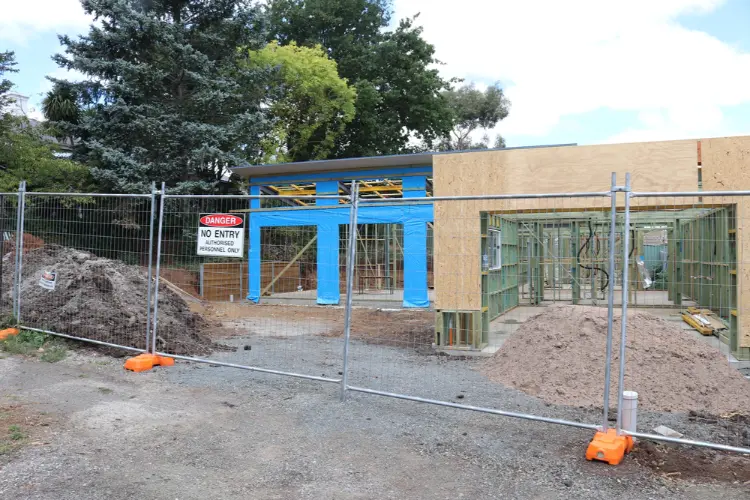
1. Protecting Public Safety and Pedestrians
Construction zones are filled with active hazards, including heavy machinery, open trenches, falling debris, and exposed materials. Without clear physical barriers, passersby could accidentally wander into dangerous zones.
Installing sturdy
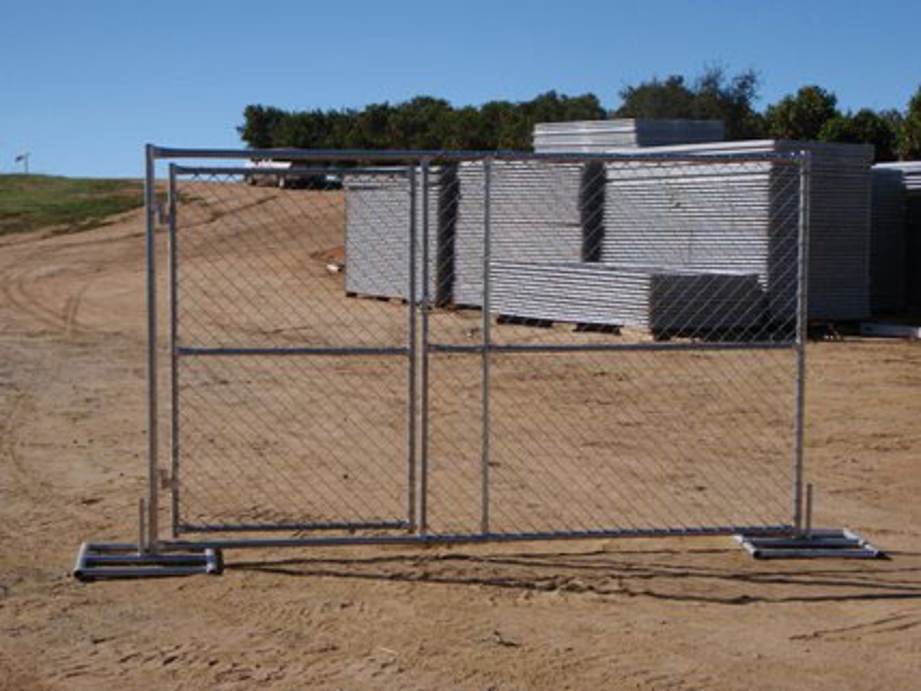
2. Preventing Theft and Vandalism
Unsecured job sites are primary targets for copper thieves, equipment vandals, and trespassers. Stolen tools or damaged machinery can stall project timelines and cost thousands of dollars in unexpected replacements.
A secure perimeter acts as a powerful visual and physical deterrent. To ensure total perimeter security alongside mandatory health requirements, site managers often pair fence rentals with heavy-duty
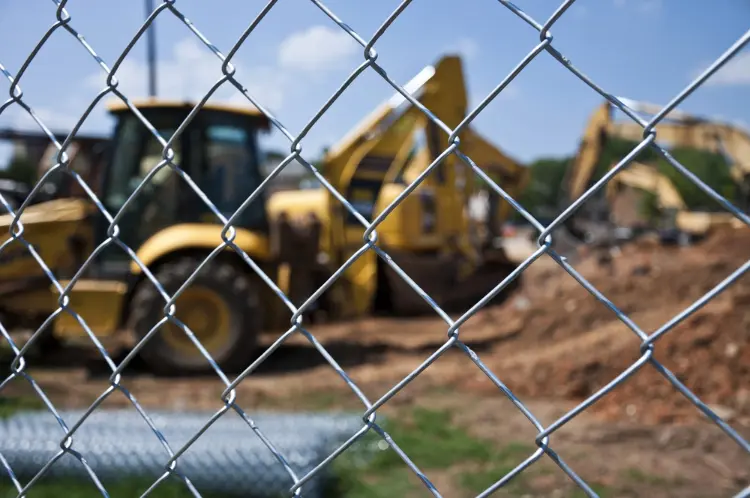
3. Regulatory Compliance and OSHA Standards
Federal, state, and local regulations often require temporary barriers around active build zones. Understanding what is the purpose of a construction site fence includes recognizing these legal obligations.
Failure to properly secure a site can result in severe fines, shutdown orders, or legal liabilities. The
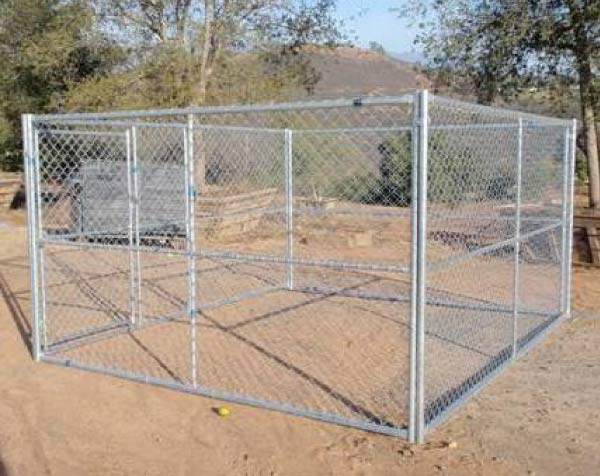
4. Dust Control and Environmental Protection
Construction activities naturally generate substantial dust, debris, and noise. Adding a windscreen or privacy netting to your fence panels creates a protective curtain around your active footprint.
-
Debris containment: Prevents loose materials from blowing into surrounding neighborhoods.
-
Erosion control: Keeps loose dirt from washing off-site during rainstorms.
-
Privacy screening: Blocks public view to reduce distracted driving around the site perimeter.
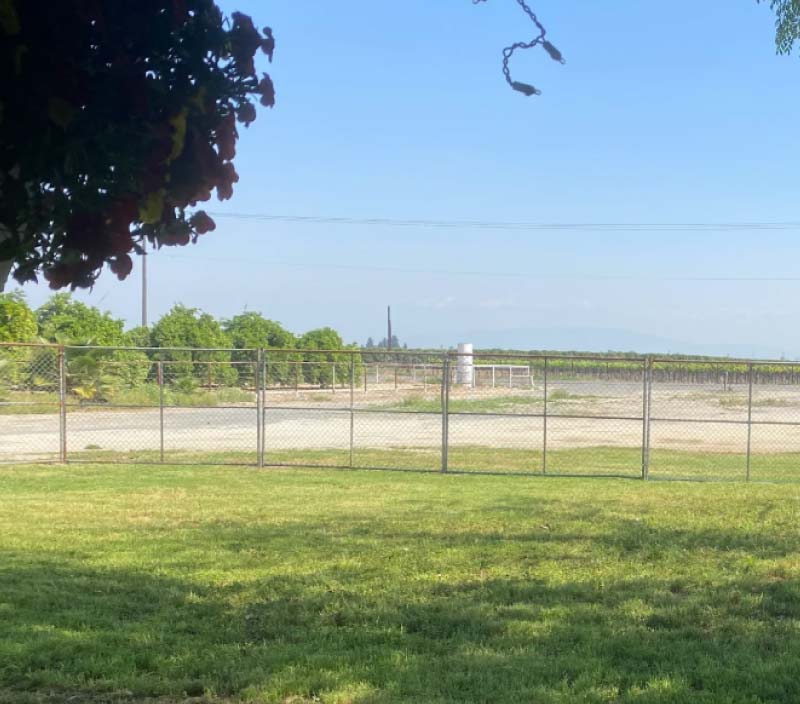
5. Site Organization and Access Control
A well-planned fence system directs the flow of foot and vehicle traffic. Designated gate points allow project managers to monitor who enters and exits the site daily.
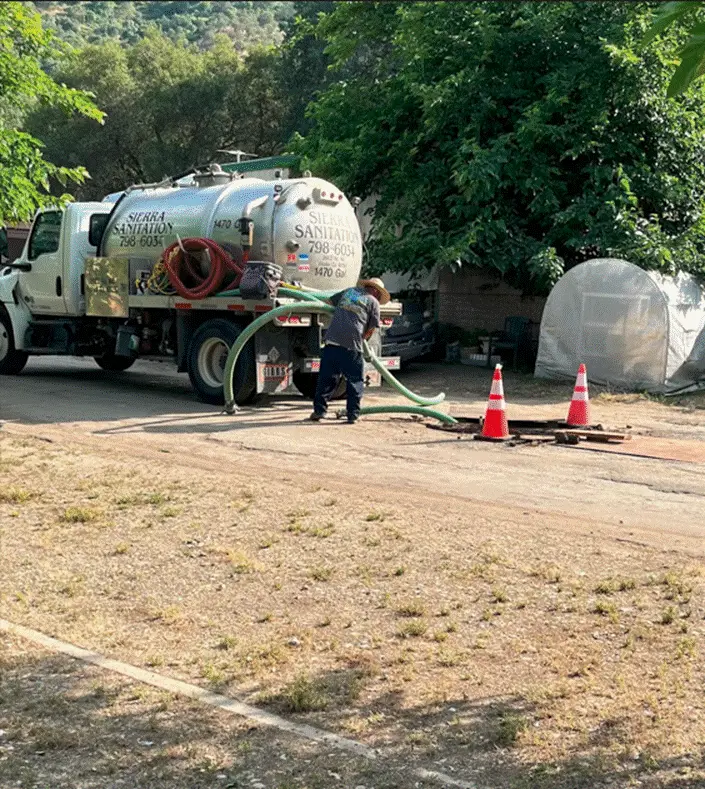
Organizing the site perimeter also simplifies the placement of essential site support equipment. For instance, placing
Construction Site Fence Options & Typical Costs
Choosing the right barrier depends on site duration, terrain, and budget. Here is a quick look at standard options and average rental pricing:
| Fence Type | Typical Monthly Cost | Best For |
|---|---|---|
| Chain Link Panels (6' x 12') | $15 – $30 per panel | Short-term builds, easy site reconfiguration |
| Post-Driven Chain Link | $3 – $7 per linear foot | Long-term construction, wind-heavy zones |
| Privacy Windscreen Add-On | $1 – $3 per linear foot | Dust control, high-traffic urban areas |
Sierra Sanitation, Inc.: Your Local Site Solutions Partner
At Sierra Sanitation, Inc., we know that running a clean, safe, and efficient job site requires reliable site equipment.
As a trusted, family-owned business serving Tulare, Fresno, and Kings Counties since 1998, we provide high-quality temporary site rentals, septic services, and portable sanitation solutions.
From temporary fencing to site restrooms, our dedicated local team is here to keep your construction project fully compliant and secure. Contact us today to discuss your next job site setup!
Frequently Asked Questions (FAQs)
How tall should a construction site fence be?
Most temporary construction site fences are either 6 feet or 8 feet high. Standard 6-foot panels offer effective security for most projects, while 8-foot options are ideal for high-risk or dense urban zones.
Can temporary fencing be moved during construction?
Yes. Free-standing panel systems sitting on heavy stands can easily be shifted or reconfigured as your job site layout changes throughout different phases of construction.
Do I need a permit to install temporary fencing around a job site?
Permit requirements vary by city and county. In many municipalities, temporary security fencing for active construction zones is included under the general building permit, but you should always check local municipal codes.
What is the difference between panel fencing and driven post fencing?
Panel fencing uses portable stands and clamps for fast, non-invasive installation on concrete or dirt. Driven post fencing involves pounding posts into ground soil, offering higher resistance against severe winds and long-term use.
How do privacy screens on chain link fences help job sites?
Privacy screens block public view to prevent theft, shield drivers from site distractions, control blowing dust, and maintain a clean, professional appearance for the project.