
If you live in Visalia or the surrounding Central Valley, your septic system is the silent workhorse of your property. Eventually, every homeowner or site manager asks the same critical question: how much does it cost to pump a septic tank? Ignoring this maintenance can lead to messy backups and thousands of dollars in repairs.
Understanding these costs helps you budget for routine maintenance. Whether you are managing a rural residence or coordinating
Average Costs for Septic Pumping in 2026
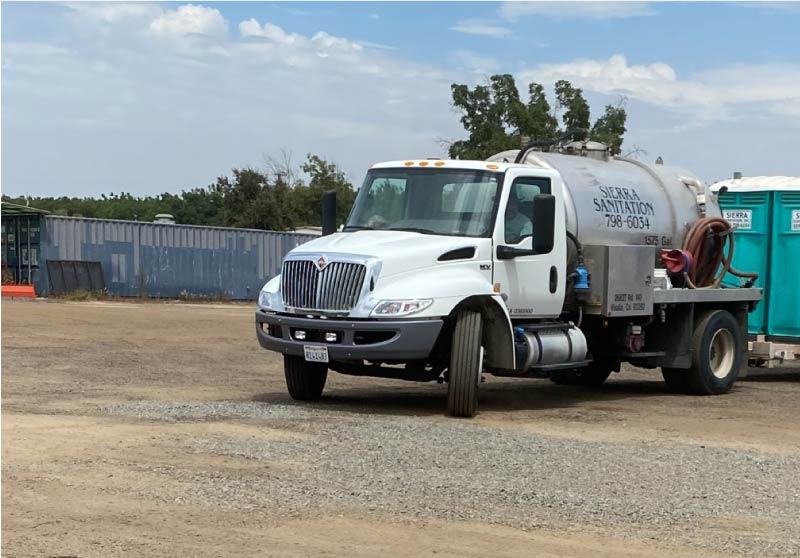
In the current market, most homeowners can expect to pay between $350 and $650 for a standard residential septic pumping service. This price typically covers a tank size between 1,000 and 1,250 gallons, which is the standard for a three-to-four-bedroom home.
If you have a larger tank or a commercial-grade system, prices may scale upward. For those managing large outdoor gatherings, using a
Factors That Influence the Price
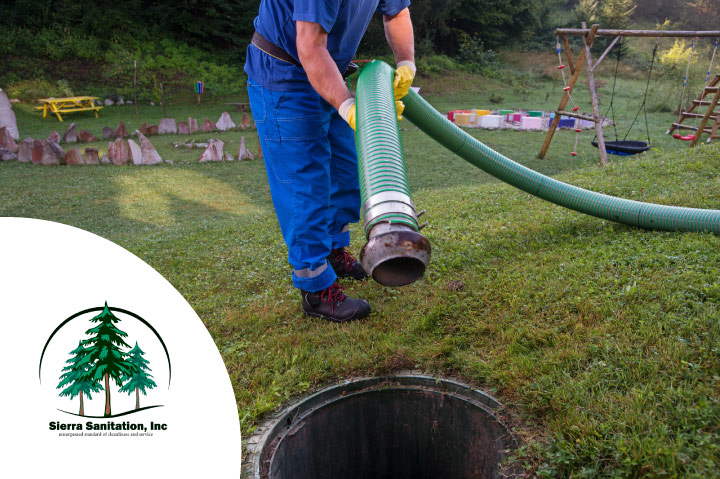
Several variables dictate the final invoice when you hire a professional. It isn’t just about the size of the tank; it’s about the labor and logistics involved in the process.
-
Tank Capacity: Larger tanks require more time and higher disposal fees at the treatment plant.
-
Accessibility: if your tank’s lid is buried deep underground, expect to pay an “uncovering fee” or “dig fee” ranging from $50 to $150.
-
Sludge Levels: If the tank hasn’t been pumped in a decade, the solids may be hardened, requiring back-flushing or extra labor to liquefy the waste.
-
Location: Distance from the disposal site impacts fuel and transport costs for the service provider.
Why Routine Pumping Saves You Thousands
When considering how much does it cost to pump a septic tank, you must weigh that price against the cost of a total system failure. Replacing a leach field or a collapsed tank in California can easily exceed $10,000 to $20,000.
For businesses running agricultural operations or construction projects, we often recommend supplementing permanent systems with
Signs You Need a Pump Immediately
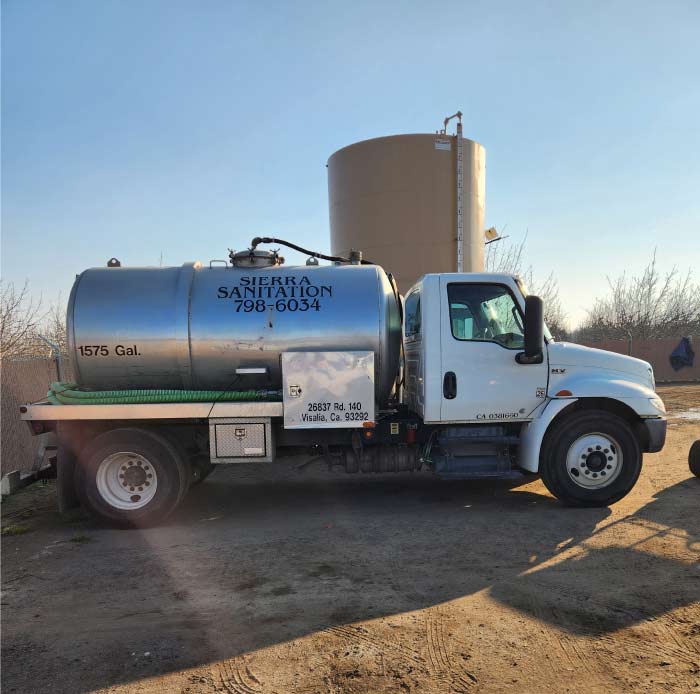
Don’t wait for a total backup to call for help. If you notice any of the following, your tank is likely at capacity:
1. Slow drains in sinks, showers, or tubs throughout the building.
2. Gurgling sounds in the plumbing system.
3. Unusually lush, green grass growing directly over the septic drain field.
4. Foul odors reminiscent of sulfur or sewage waft through the yard.
For special occasions, these issues can be a nightmare. Many hosts choose to rent
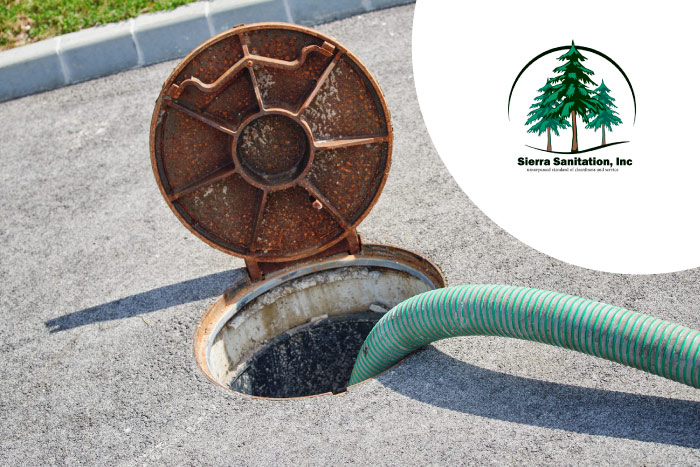
Professional Maintenance and Safety
Septic systems involve complex biological processes and hazardous gases. Proper maintenance ensures that the bacteria in your tank continue to break down waste effectively. According to the
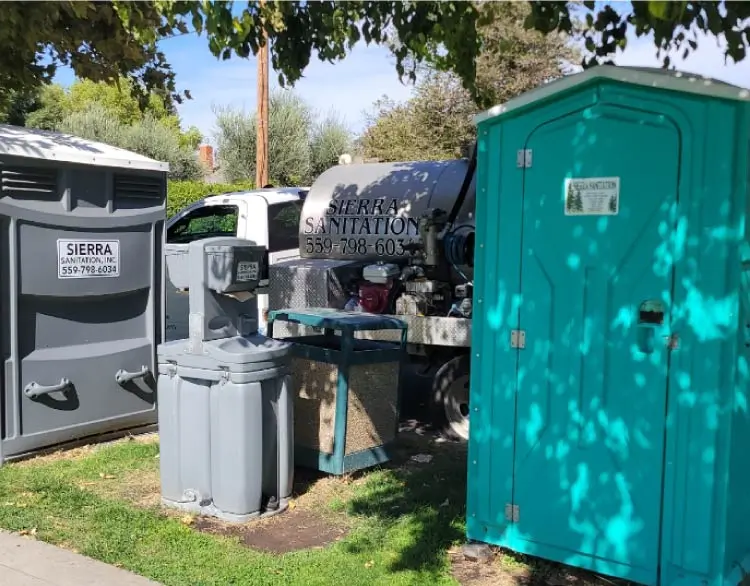
Trust the Local Experts: Sierra Sanitation, Inc.
Since 1998, Sierra Sanitation, Inc. has been the Central Valley’s trusted partner for “unsurpassed standards of cleanliness.” As a family-owned business, we understand that your home or job site is your top priority. Whether you need expert septic pumping or
Frequently Asked Questions (FAQs)
How often should a septic tank be pumped?
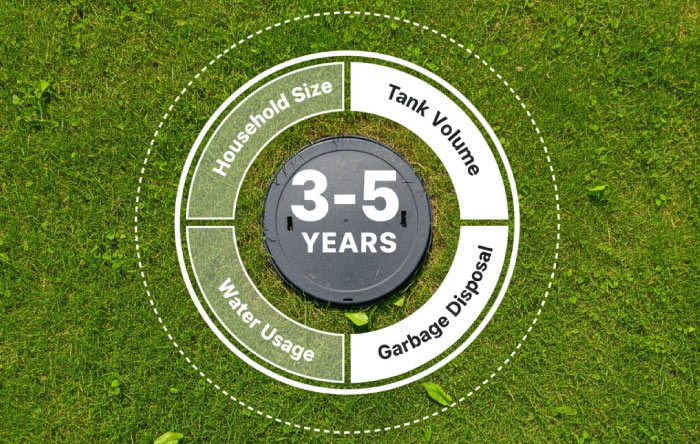
Most professionals recommend pumping every 3 to 5 years for a standard household. However, if you have a large family or use a garbage disposal frequently, you may need to pump more often to prevent solids from reaching the leach field.
Can I pump my own septic tank to save money?
It is highly discouraged and often illegal to pump your own tank. The process requires specialized vacuum trucks and a legal permit to transport and dispose of biohazardous waste at an approved treatment facility.
Does the use of additives replace the need for pumping?
No. While some additives can help promote bacterial growth, they do not remove the inorganic solids and “sludge” that accumulate at the bottom of the tank. Periodic pumping is the only way to remove these solids.
What happens if I never pump my septic tank?
The tank will eventually fill with solid waste, which will then flow into the drain field. This clogs the soil, leading to surface sewage leaks, plumbing backups into the home, and eventual system collapse.
How long does the pumping process take?
A standard residential pumping service usually takes between 45 minutes and 90 minutes, depending on the accessibility of the tank and the volume of waste that needs to be removed.